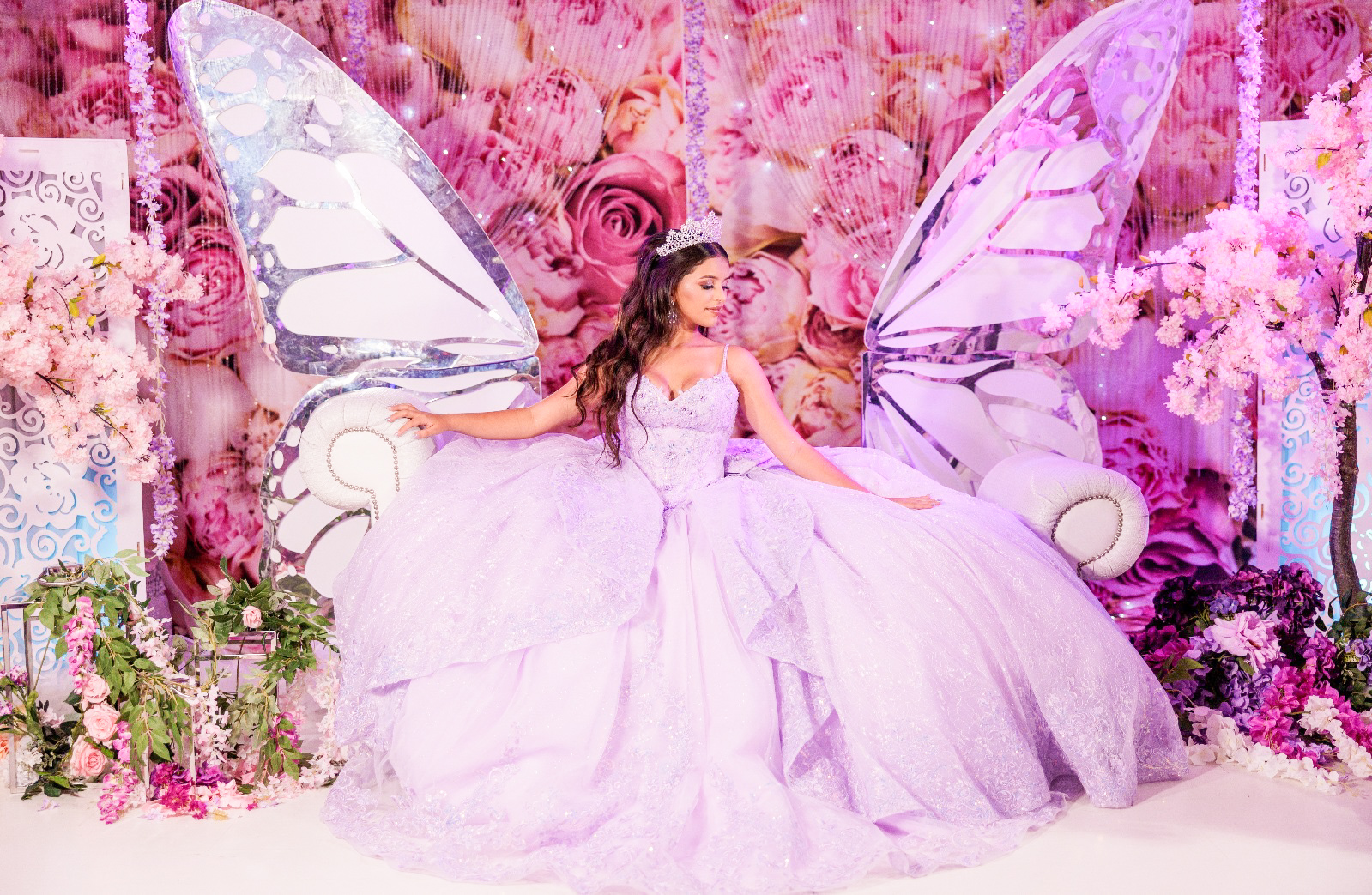
Quinceañera and Sweet 16 Planning Guide for Miami Families
The quinceañera and the Sweet 16 are two of the most important celebrations in a young woman's life — and in Miami, they're a serious tradition. We've hosted thousands of them across our family of halls over the past 25+ years. Here's the realistic, practical playbook we share with families when they sit down with us for the first time.
Quince vs. Sweet 16: What's the Difference?
They're both 15- and 16-year birthday celebrations, but the structure is different:
- Quinceañera — a Latin tradition celebrating a girl's 15th birthday. Almost always includes a religious ceremony or blessing, a formal court (damas and chambelanes), the vals (waltz), the changing of the shoes, the last doll, and a father–daughter dance.
- Sweet 16 — an American tradition for a 16th birthday. Usually less formal, often theme-driven, fewer required traditions, but bigger emphasis on personality, music, and the crowd.
In Miami, plenty of families do a hybrid — religious blessing in the morning, themed party at night. Both work beautifully.
Start 12–18 Months Out
The best halls, photographers, and choreographers in Miami book a year or more in advance for Saturday nights. If your daughter's birthday is in October, start planning the previous October. The earlier you start, the more leverage you have on date, venue, and pricing.
Pick the Date — and the Venue — First
Saturday nights in October–May are the peak season. If you want more flexibility, ask about Friday, Sunday, afternoon, or off-season dates when you tour.
For venue, capacity is everything. A few common configurations across our halls:
- Up to 150 guests — Olga's Reception Halls (Hall A) on 8th Street, or Ensueño Banquet Hall in Hialeah
- 151–180 guests — Olga's Banquet Hall on SW 107th Avenue
- 181–200 guests — Olga's Ballroom in Hialeah, Millennium Banquet Hall on Bird Road, Royal Palace in Homestead, or Ensueño Banquet Hall for up to 199 guests
- 201–300 guests — Premier Banquet Hall, Forever Reception Hall in Hialeah, Illusions Banquet Hall in Fontainebleau (Hall B), or Olga's Reception Halls (Hall B)
Build the Court
The traditional quince court is 14 chambelanes and 14 damas — one for each year of life, plus the quinceañera herself. In practice, most modern Miami quinces use a smaller court: 7+7, or 5+5, or even just a few chambelanes. Pick people who will actually show up to rehearsals. A small, committed court always looks better than a large, half-prepared one.
Choreography and the Vals
The waltz is the centerpiece. Plan for:
- Hire a choreographer 6–9 months out. Ask whether the quote includes the vals, surprise dance, rehearsal schedule, music edits, and court coaching.
- Schedule weekly rehearsals starting 3 months before. The court will need them.
- Plan a "surprise dance" — most quinces now include an upbeat second number after the formal vals. Reggaeton, bachata, or a TikTok-trend medley are common picks.
- Do at least one full rehearsal in formal shoes. Heels change everything.
The Traditions to Plan For
- Religious ceremony or blessing — book your church 9+ months out
- Grand entrance — confirm the room layout supports it
- Vals with the court
- Father–daughter dance — usually right after the vals
- Changing of the shoes — flat to heel, traditionally done by the father
- Last doll — symbolic gift representing the transition from childhood
- Toast and cake cutting
- The party — DJ takes over, everyone's on the dance floor
The Dress (and the Second Outfit)
Most quinces involve two outfits: the formal ball gown for the ceremony and vals, and a shorter, easier-to-dance-in dress for the rest of the party. Order the formal dress at least 6 months out to allow for fittings, alterations, accessories, and any custom details.
Build the Budget Around Real Decisions
A quinceañera budget should be built from the pieces your family actually wants, not from a generic checklist. These are the categories to price clearly before you commit:
- Venue, catering, and bar — often the anchor of the event plan
- Package level — what is included for décor, DJ, effects, photography, and video
- Guest count — the number that changes food, seating, staffing, and room choice
- Dress, accessories, and second outfit — including alterations and timing
- Hair and makeup — especially if damas or family members are included
- Choreography and rehearsals — court size affects the amount of practice needed
- Decor upgrades, florals, cake, and sweets — the extras that shape the look of the room
An all-inclusive venue package can make this easier by grouping several of those details together. During a tour, ask the coordinator to show what changes when you adjust the guest count, package, date, or upgrade list.
Photography and Video
Two pieces almost every Miami family wants:
- The photo session ("la sesión") — a separate 2–4 hour shoot before the party, often at an outdoor location (gardens, the beach, downtown rooftops)
- The reel/highlight video — the 3–5 minute social-media-ready cut that captures the night
Book photographers 8–10 months out. Ask to see full galleries, not just portfolios — the worst photographers always have great portfolios.
Day-Of Timeline (Sample)
- 10:00 a.m. — Hair and makeup begins
- 1:00 p.m. — Photo session at outdoor location
- 4:30 p.m. — Religious ceremony (if applicable)
- 6:30 p.m. — Cocktail hour begins, guests arrive at venue
- 7:30 p.m. — Grand entrance + court presentation
- 7:50 p.m. — Vals + father–daughter dance + surprise number
- 8:15 p.m. — Dinner served
- 9:30 p.m. — Changing of the shoes, last doll, toast
- 10:00 p.m. — Cake cutting, then DJ takes over until close
The Bottom Line
A great quince or Sweet 16 isn't about the most expensive venue or the most elaborate court — it's about a celebration that feels like her. Pick traditions that matter to your family, skip the ones that don't, and trust your venue team to handle the logistics. Book a tour with us and we'll walk you through every detail in person.
Frequently Asked Questions
When should families start planning a quinceañera or Sweet 16?
Families should start 12 to 18 months in advance for popular Saturday dates, especially if they want a specific venue, photographer, or choreographer.
What is the difference between a quinceañera and a Sweet 16?
A quinceañera celebrates a girl's 15th birthday with Latin traditions like the court, vals, changing of the shoes, and last doll. A Sweet 16 is usually less formal and more theme-driven.
How should families choose a quinceañera venue?
Choose the date and guest count first, then tour rooms that fit the seated count, dance floor, stage, court entrance, cake table, and photo areas.
Can an all-inclusive package help with quinceañera planning?
Yes. An all-inclusive package can group venue, catering, decor, DJ, effects, photography, video, cake, and planning conversations into one coordinated process.